
In a rapidly changing business environment, it is important that enterprise systems are flexible and adapt to internal and external events. With Low-Code platform development, secure, custom solutions can be introduced at 70-80% lower cost and implementation time compared to traditional development methods, and they can be easily integrated with currently used office systems.
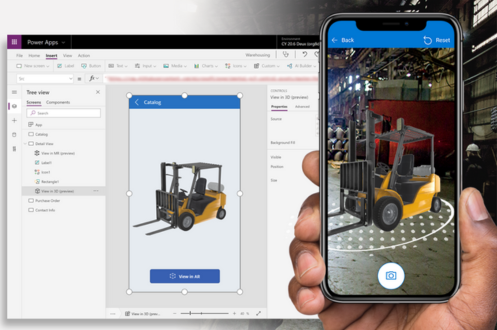
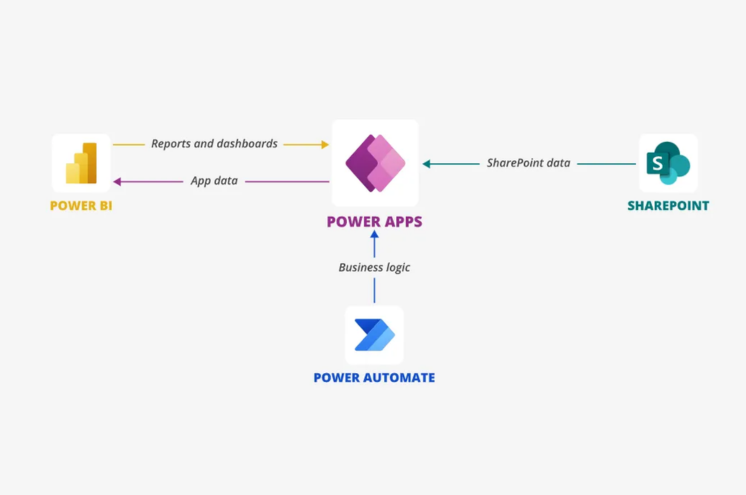
Approval processes, document management, or data management are areas where Power Apps can be effectively applied to achieve automation and digitalization goals. By combining Power BI and Power Automate applications, significant coverage in business process automation can be achieved. By taking advantage of digitalization opportunities, costs and turnaround times can be reduced, and quality and accuracy can be improved, generating measurable results even in the short term.
Low-code applications offer a customized and interactive solution for data collection and management that effectively replaces Excel files. Through various data management functions, integration options, and mobile access, Power Apps enables more efficient, transparent, and modern data management solutions to support daily operations.
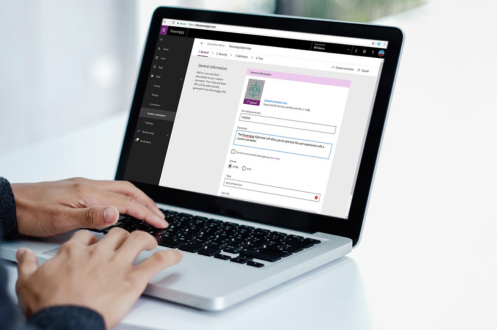
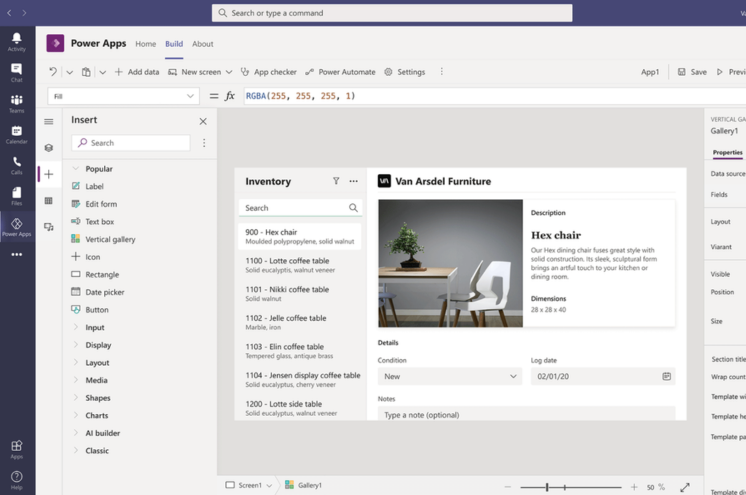
As a Microsoft partner, we primarily use Power Apps for our low-code application development projects. Power Apps is an innovative application development platform that enables us to create customized business applications and solutions in as little as a few days. Custom software built with Power Apps can be developed within days, and their stability is excellent.
Power Apps' cross-platform solution allows workflows to be managed from anywhere, at any time. Employees can easily access applications and data through their mobile devices, resulting in increased flexibility. This way, decision-making and business responses can be faster and more efficient, even on the go.
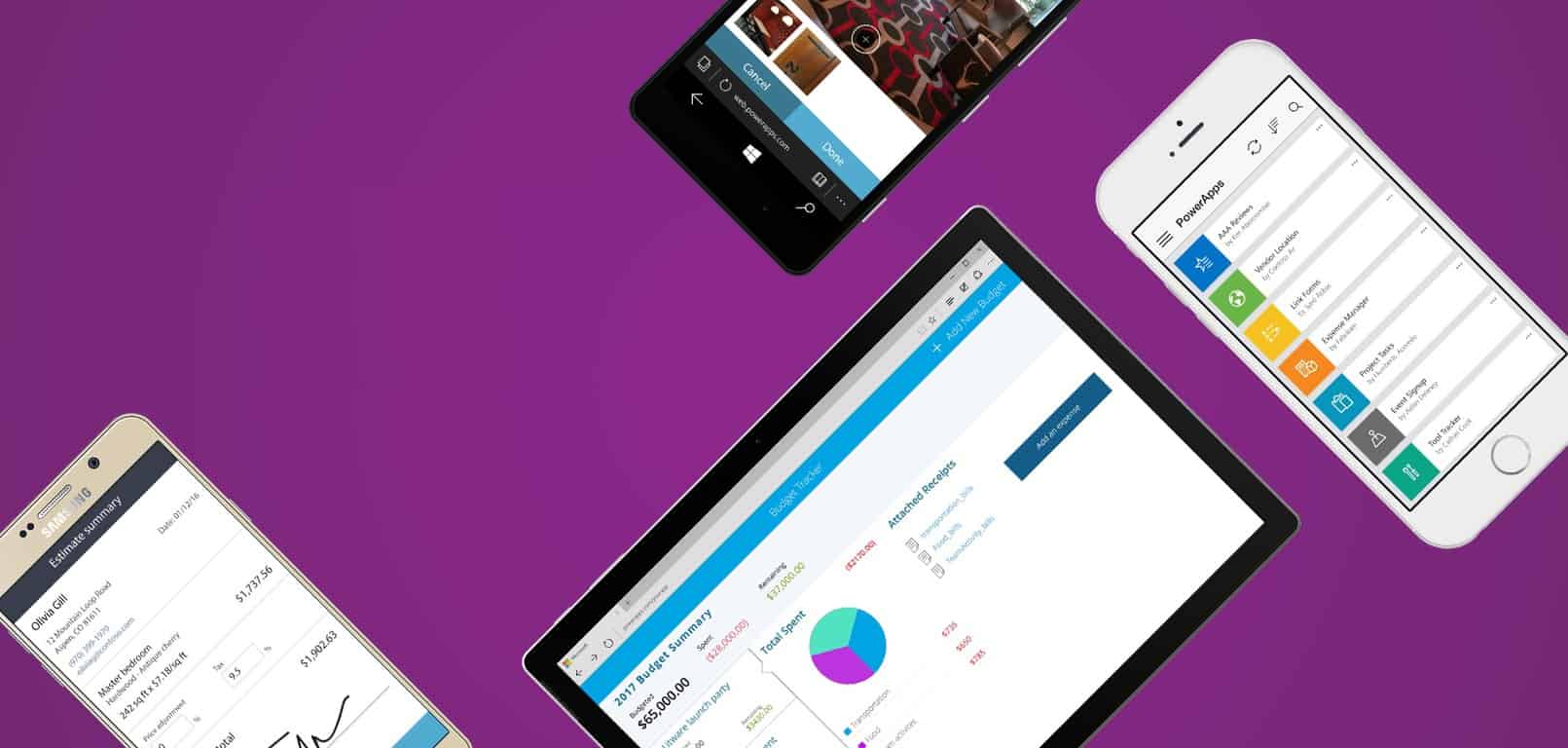
The development and deployment of PowerApps applications is significantly faster than with other software. The development and deployment time of a simple business application can be as short as a few days, but typically does not take more than a few weeks.
For organizations already using Office 365 or Microsoft Dynamics 365, PowerApps is a solution that is easy to use and integrate into the existing environment. If the company has Office 365 licenses, there is no need to purchase additional licenses, saving time and money immediately.
Just like in custom software, PowerApps applications have no unnecessary features, as only the functions that the client actually needs are built in. As a result, we deliver a clean, easy-to-use, and transparent application to our clients.
PowerApps applications are much more stable compared to traditional software solutions. As a result, not only is software testing time shorter, but operating costs are also significantly lower.
Power Apps enables application development for both mobile and web platforms. Users can access applications anywhere and anytime, whether through mobile phones, tablets, or desktop computers.


Power Apps is Microsoft's low-code application development platform. It enables users to create customized business applications using visual editors, templates, and pre-built connectors. With Power Apps, we can quickly and efficiently develop mobile and web applications and integrate them with other Microsoft 365 services.
With Power Apps, applications can be developed that meet unique needs. Some typical use cases include: order tracking, customer data management, or developing applications useful in specific industries.
Power Apps enables the digitalization of processes without major investment, allowing data to be managed in digital form, resulting in fast return on investment. This increases efficiency, reduces paperwork, and makes business processes more transparent.
Depending on needs, we prepare training materials or provide remote or in-person training. This helps in using the applications more effectively, and by building internal competencies, we can further improve turnaround times.
Power Apps can be easily integrated with other Microsoft 365 services, such as SharePoint, OneDrive, Teams, and Power Automate. Additionally, it can communicate with numerous external services, such as databases, APIs, and other web services.