Power Platform enables business users to independently create applications and automations. Without proper oversight, however, the number of undocumented applications can grow rapidly, resulting in security risks, data protection concerns and a difficult-to-maintain IT environment. A governance framework ensures that platform usage remains regulated without hindering business innovation.
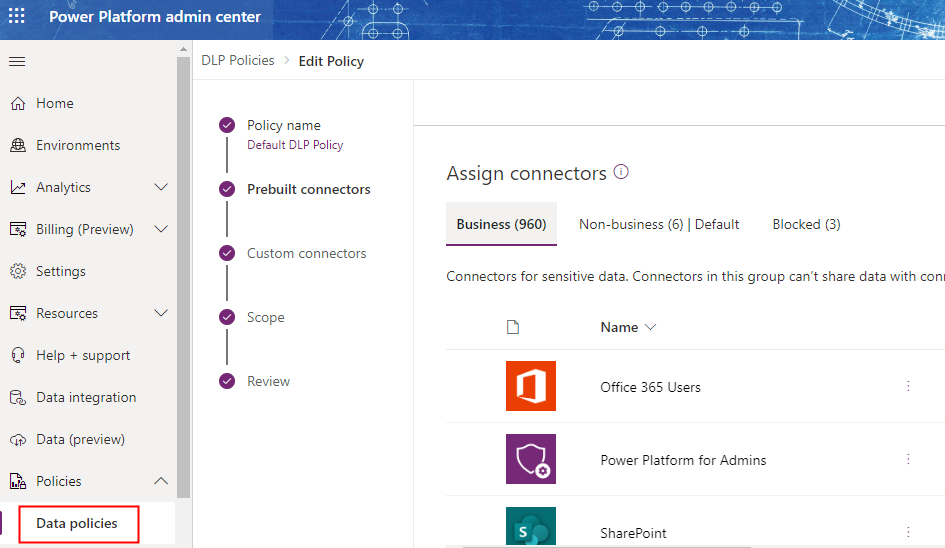
Segmenting Power Platform environments (development, test, production) is a prerequisite for isolating applications and data. DLP (Data Loss Prevention) policies determine which connectors may be used together, preventing corporate data from flowing into unauthorized external systems. We assist in designing and implementing environment structures and DLP configurations tailored to your organization.
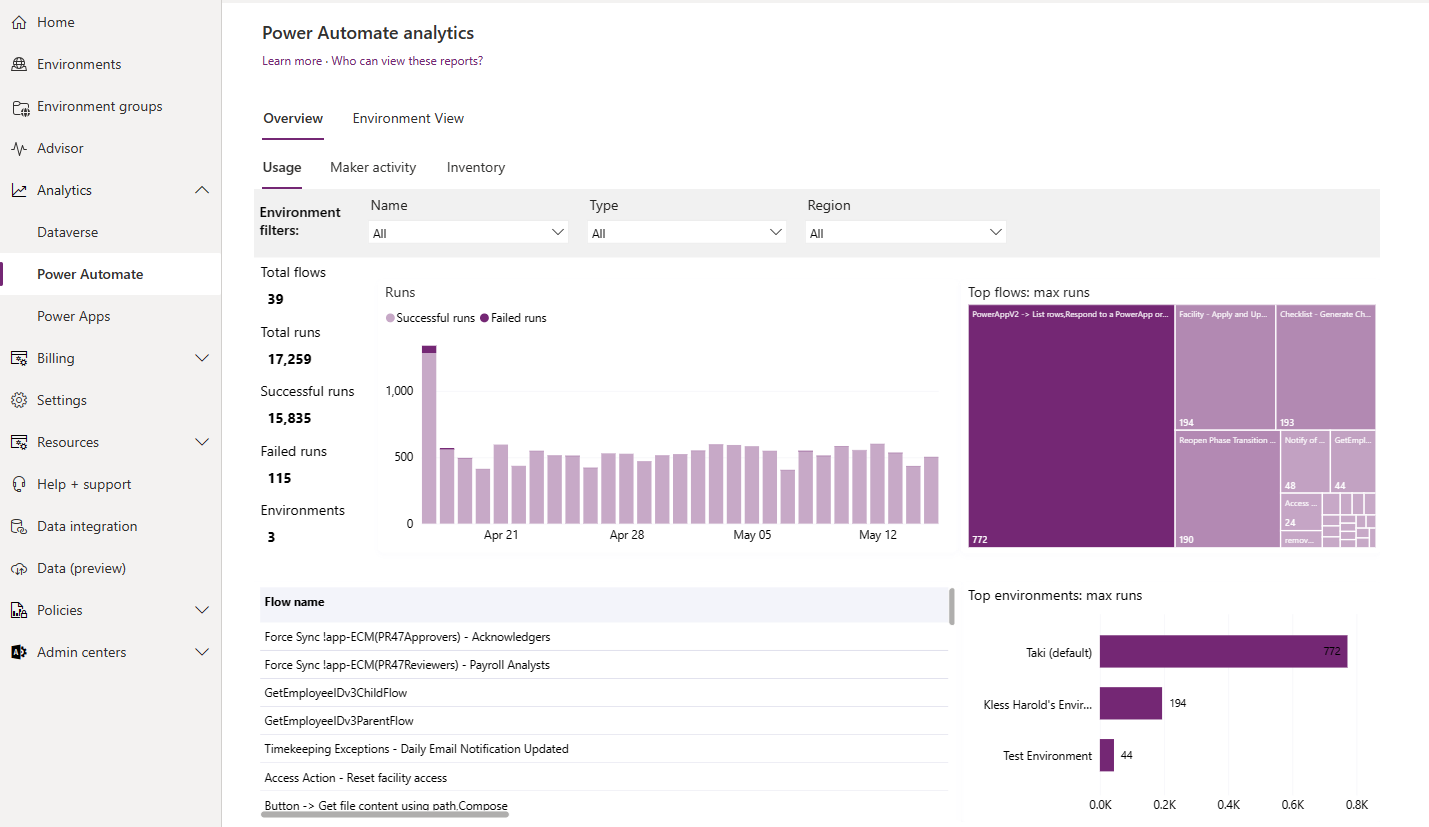
Through the Microsoft CoE (Center of Excellence) Starter Kit and our proprietary monitoring solutions, we provide comprehensive visibility into Power Platform usage. We identify undocumented applications (shadow IT), track license consumption, and prepare detailed reports on application usage patterns. The resulting insights enable well-informed decisions regarding the platform's ongoing development.
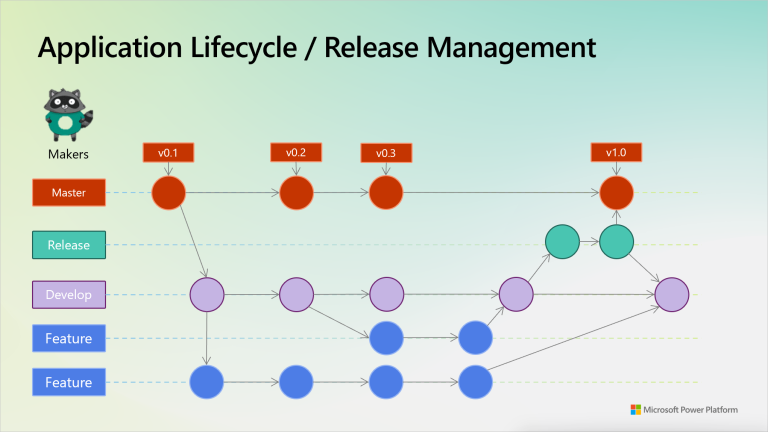
The entire lifecycle of applications and flows requires active management: from development through testing and deployment to retirement. We introduce ALM (Application Lifecycle Management) practices, establish automated deployment processes, and implement version control. Through regular review of outdated or unused applications, we maintain platform transparency.
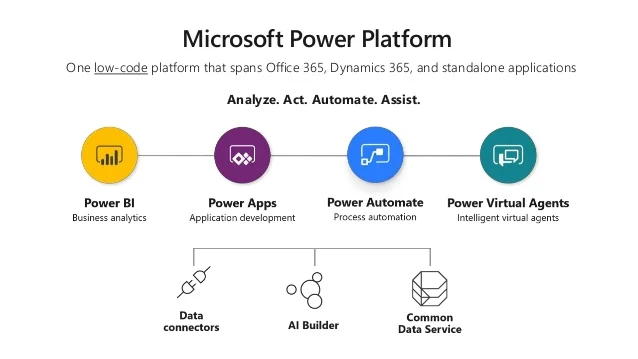
Power Platform Governance encompasses the policies, processes and tools an organization uses to oversee Power Platform (Power Apps, Power Automate, Power BI, Copilot Studio) usage. Its purpose is to ensure the platform operates securely and efficiently while business users retain the ability to develop independently.
Without governance, there is no reliable information about how many applications and automations are running across the organization, who created them, and what data they access. This poses security risks, licenses may remain underutilized, and application maintenance becomes cumbersome. A governance framework addresses these areas without restricting innovation.
The Center of Excellence (CoE) Starter Kit is a free toolkit published by Microsoft for implementing Power Platform governance. It includes usage monitoring, application inventory, administrator notifications and best practice templates. Our team assists with deploying the toolkit and adapting it to your organization's requirements.
DLP (Data Loss Prevention) policies determine which connectors (e.g. SharePoint, Outlook, external APIs) may be used together within an application or flow. By classifying connectors into "business" and "non-business" categories, corporate data is prevented from reaching unauthorized external services. Policies can be configured at the environment level or across the entire tenant.
Yes, governance can be implemented gradually. As a first step, we typically assess existing applications and flows, then introduce basic DLP policies. Subsequently, monitoring is expanded incrementally, the environment structure is refined and ALM practices are introduced. The implementation roadmap is tailored to the organization's current maturity level.